Eye Level
Two weeks on a lion release programme, and what ground-level access to the animals does to a wildlife portfolio.
My first attempt at ground level was with a 20mm wide-angle lens, lying flat in the grass as the park's elephants fed towards me. A wide lens pushes everything back: on the camera screen the nearest cow still looked a comfortable distance away. I was so fixed on the composition that I lost all sense of how close she really was, until her trunk arrived on top of my head and began a slow, thorough inspection.
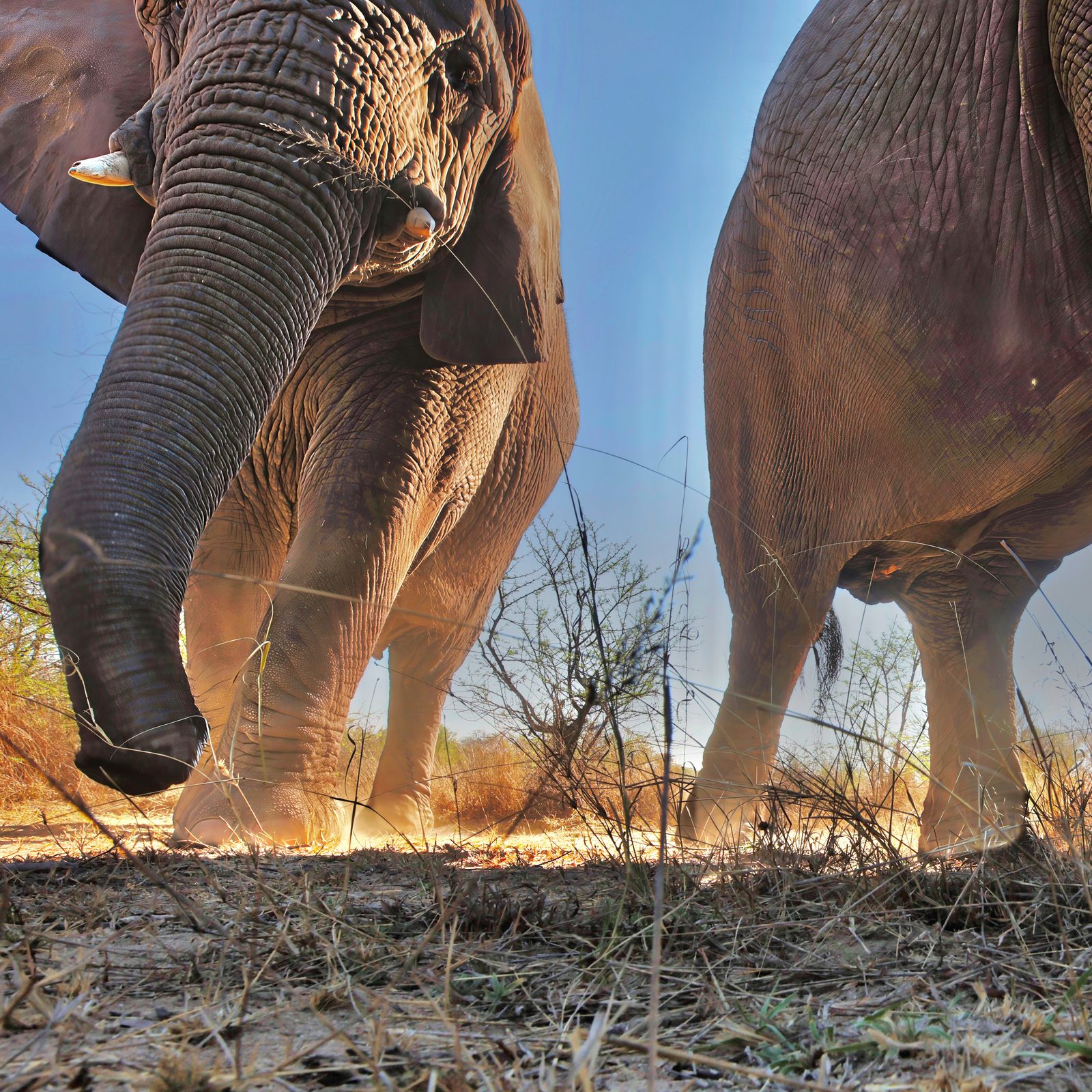
That moment sums up the two weeks. On a standard safari the camera sits on a vehicle door or roof, a couple of metres above the ground, looking down. It's the safe place to be, and it's the reason so much safari photography looks alike: animals seen from above and flattened against the ground. At Antelope Park I could work at the animals' own eye level, and from there the photographs show temperament rather than just anatomy.
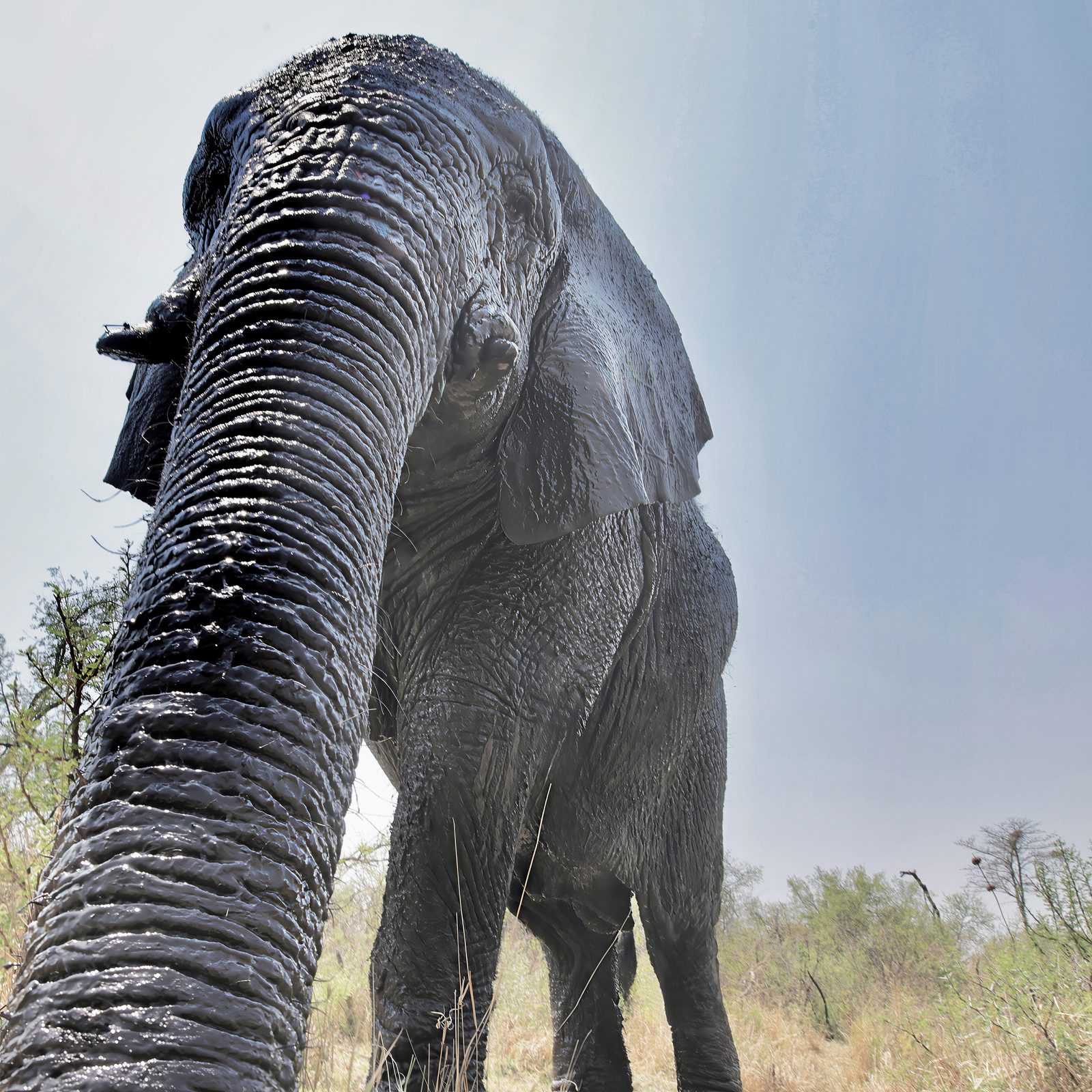
That access comes with an honest caveat. The park's three elephants are cows, rescued as calves and raised here, and they are habituated to people: that is what makes the approach possible at all. Two of them are placid. The third has quite a temper, and nobody on the ground forgets which one she is. Habituated is not the same as tame, and the handlers' instructions are the only reason this kind of work is safe.
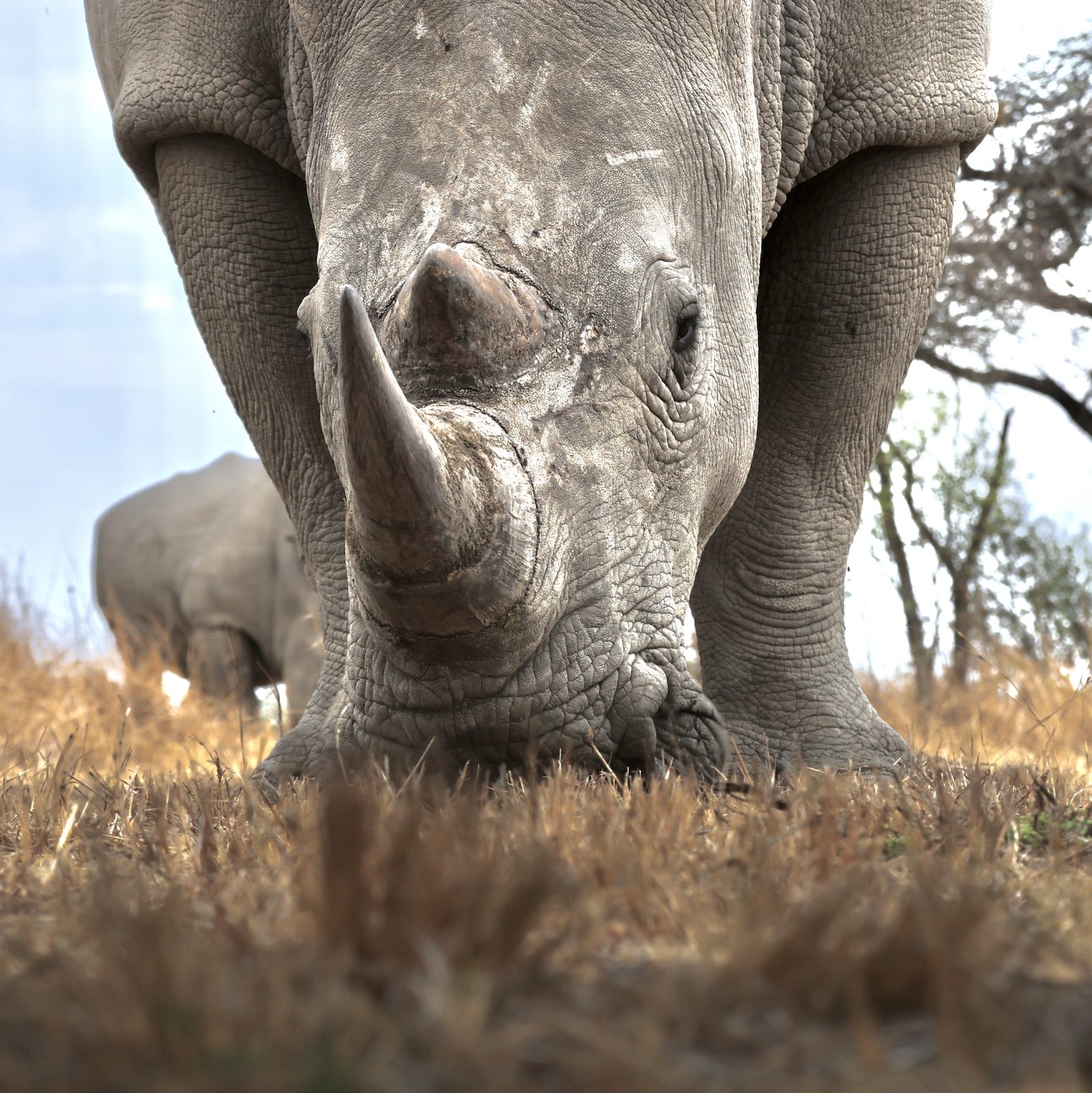
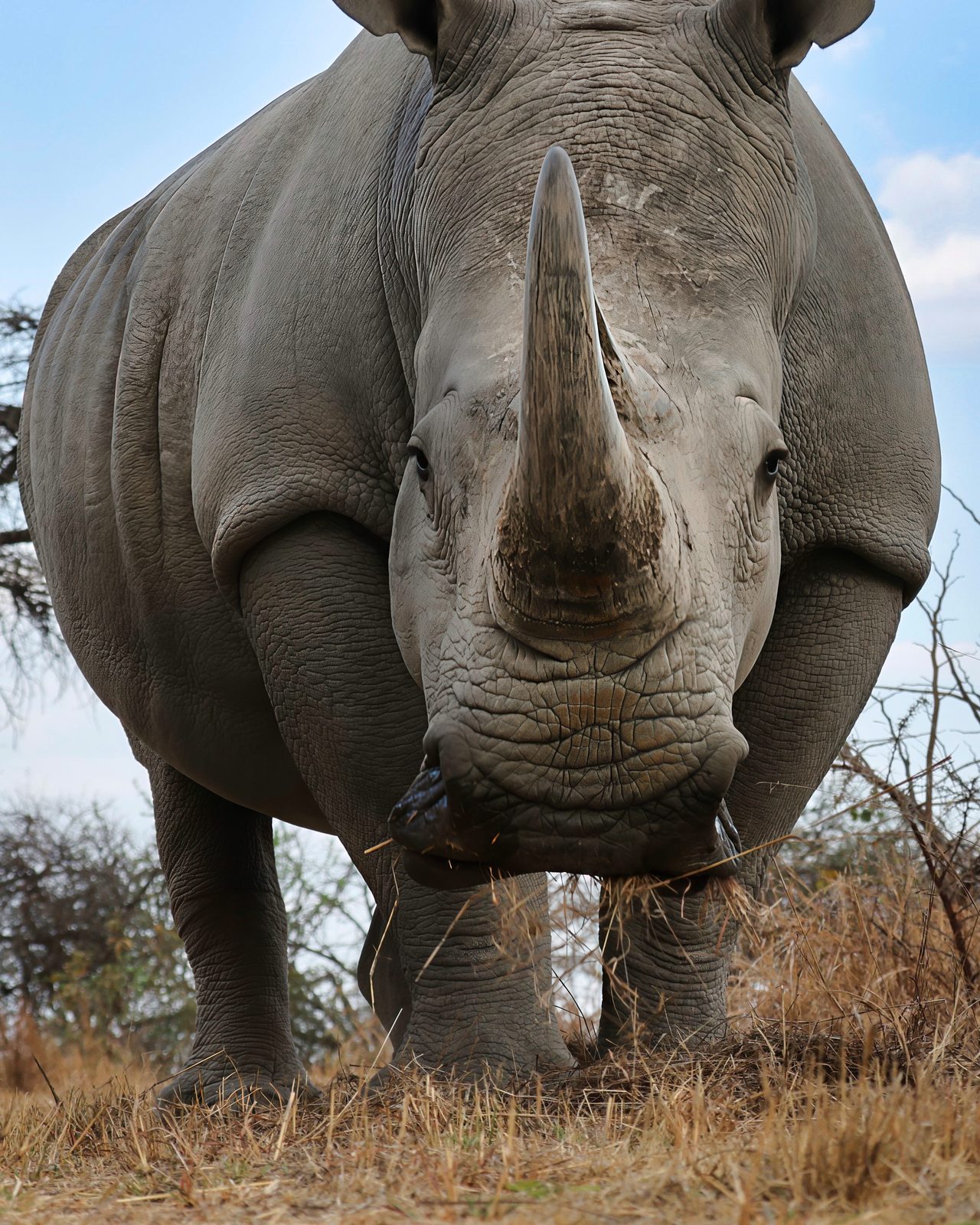
The rhino were a different calculation. Even with the armed anti-poaching team in attendance, a white rhino family at close range is a genuinely dangerous group of animals, and a false charge is never far from anyone's mind. To get the grass-level frames I crawled under the game vehicle and shot from beside its wheels. If I'm honest, my bigger worry was not the rhino at all: it was the thought of lying down on a snake hidden in the grass.
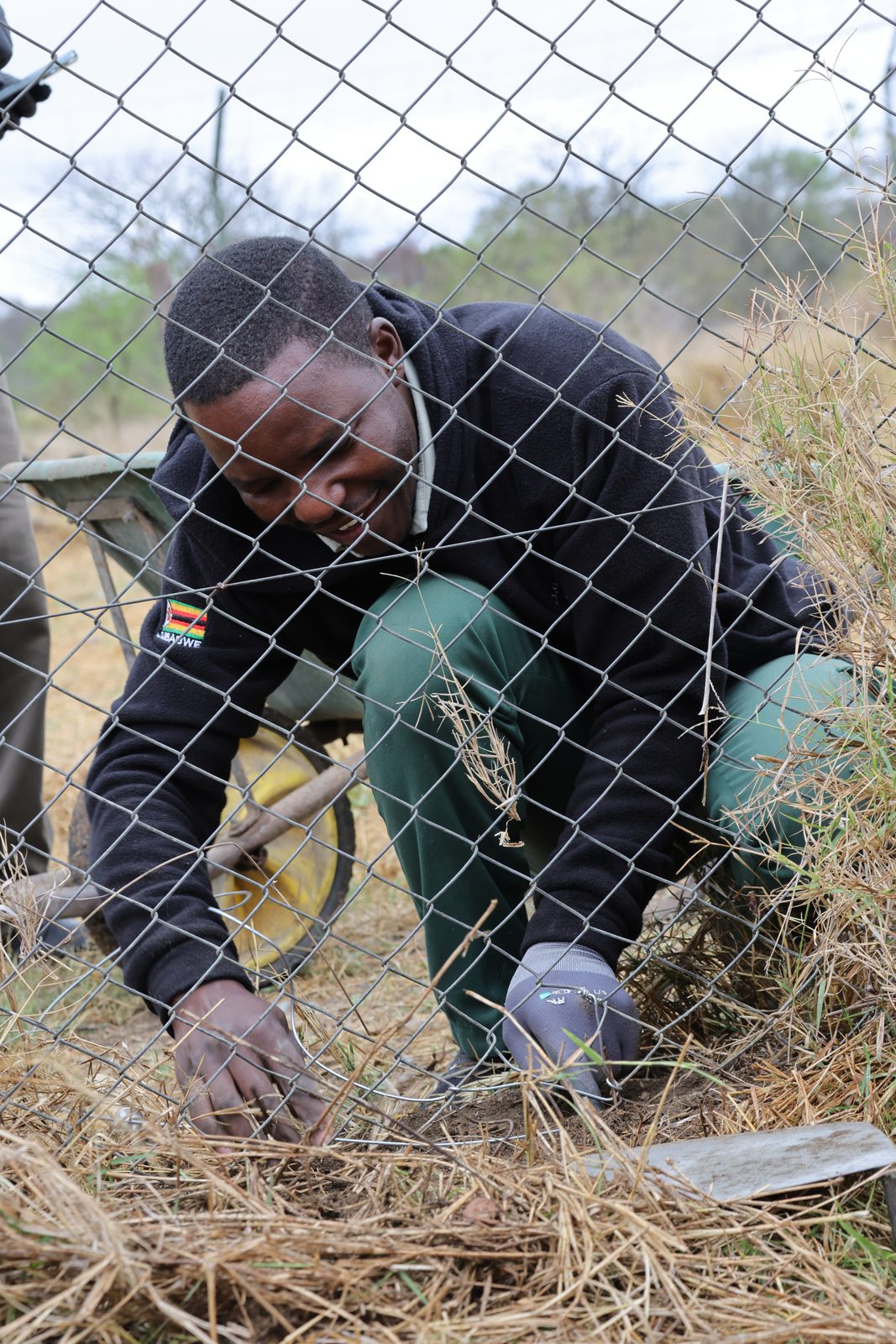
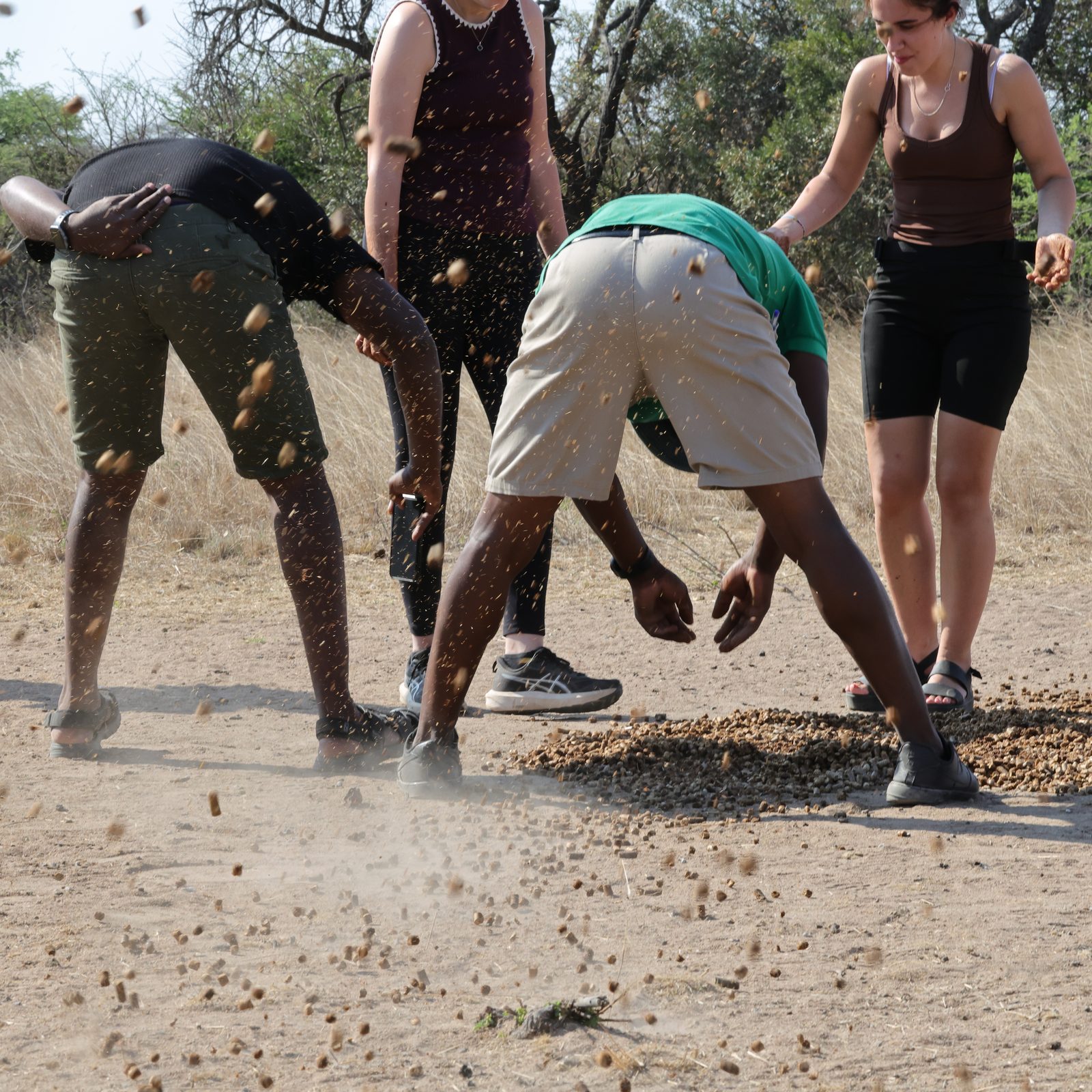
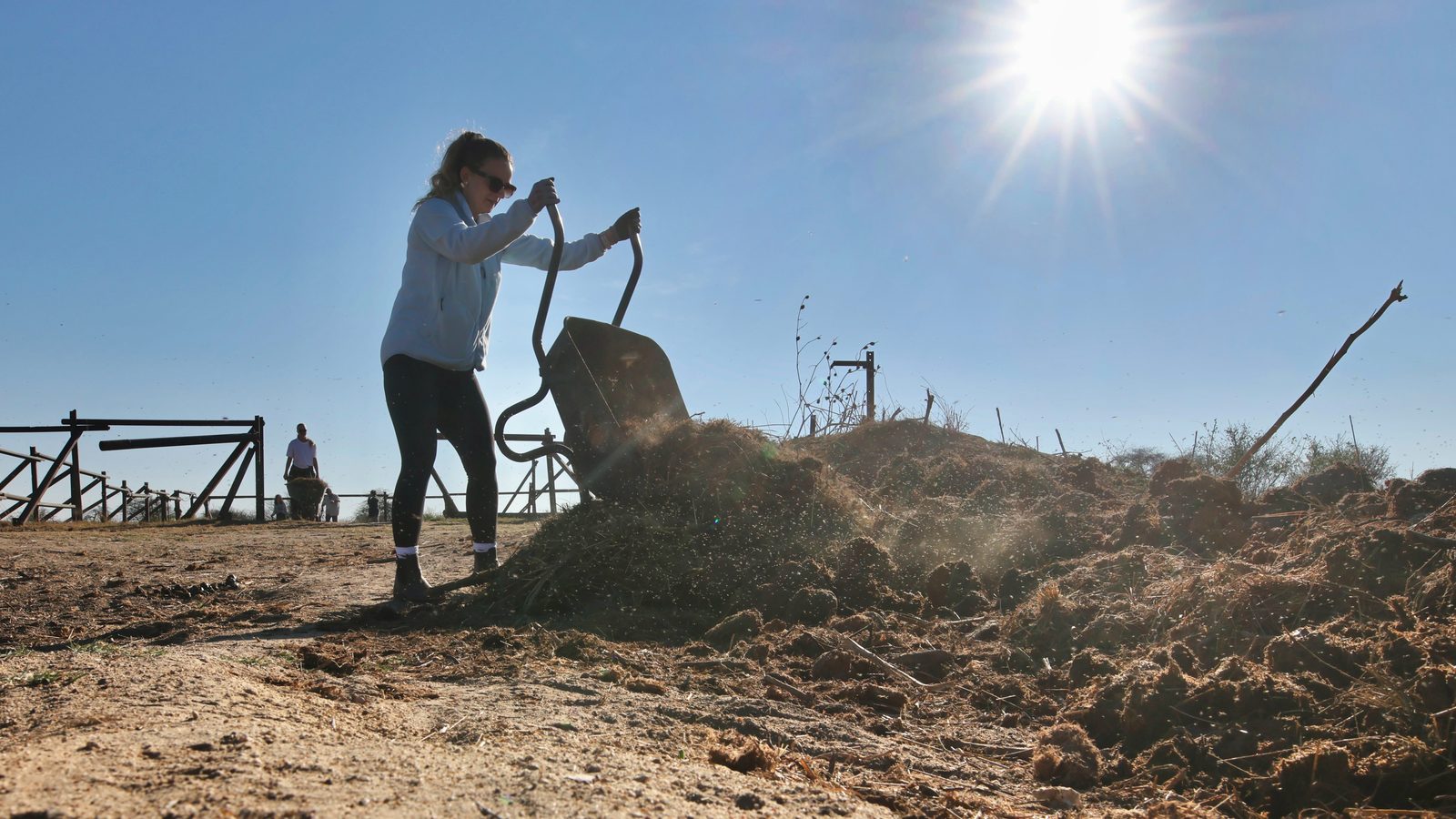
The access was the reward; the work was the reason I was there. Antelope Park runs a lion release programme, and volunteers carry much of its daily load: repairing enclosure fences, restocking the feeding stations that support the antelope, zebra, buffalo and wildebeest, preparing meat for the captive lions, tick-spraying them through the wire, and mucking out the elephant boma. None of it is glamorous, and all of it was worth documenting. Most conservation, it turns out, is maintenance.
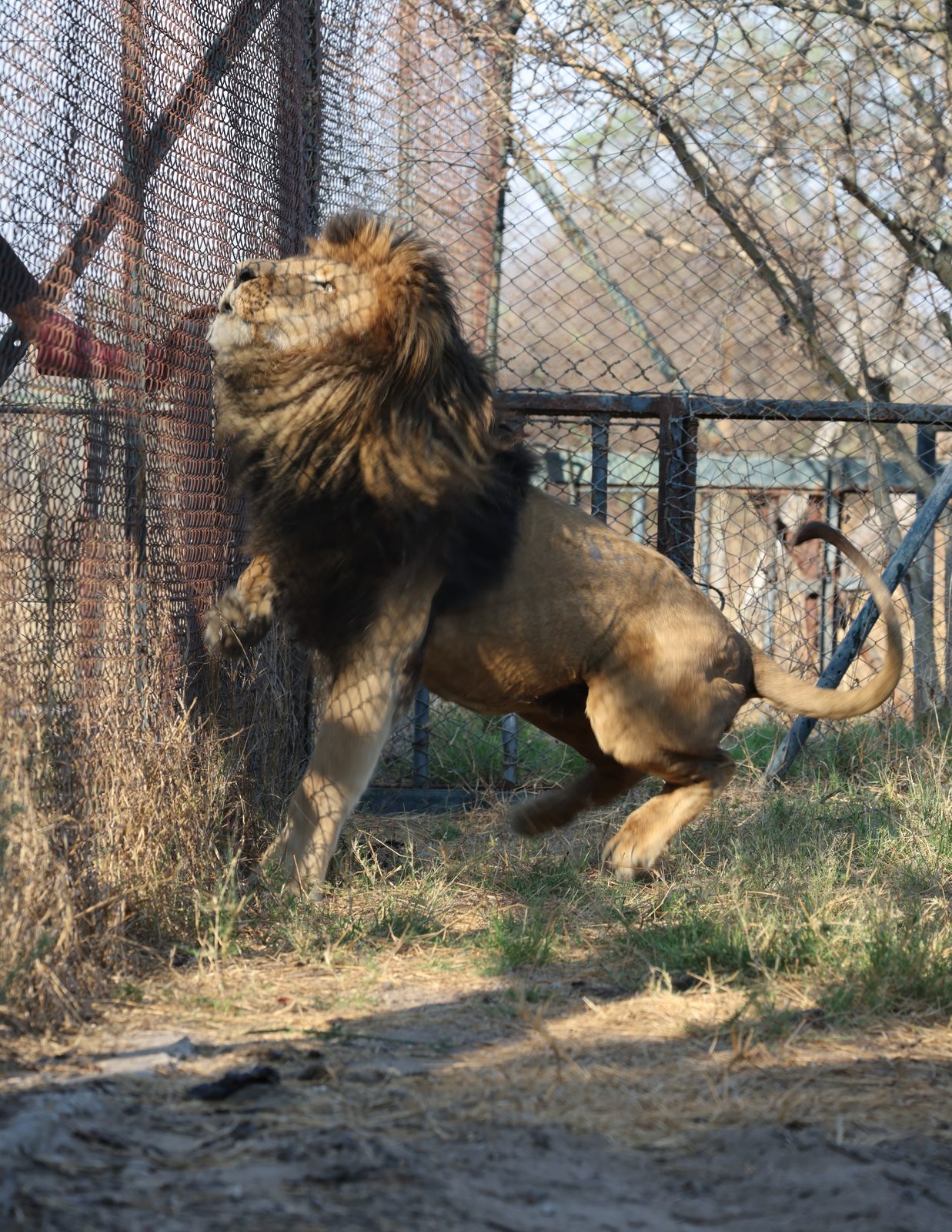
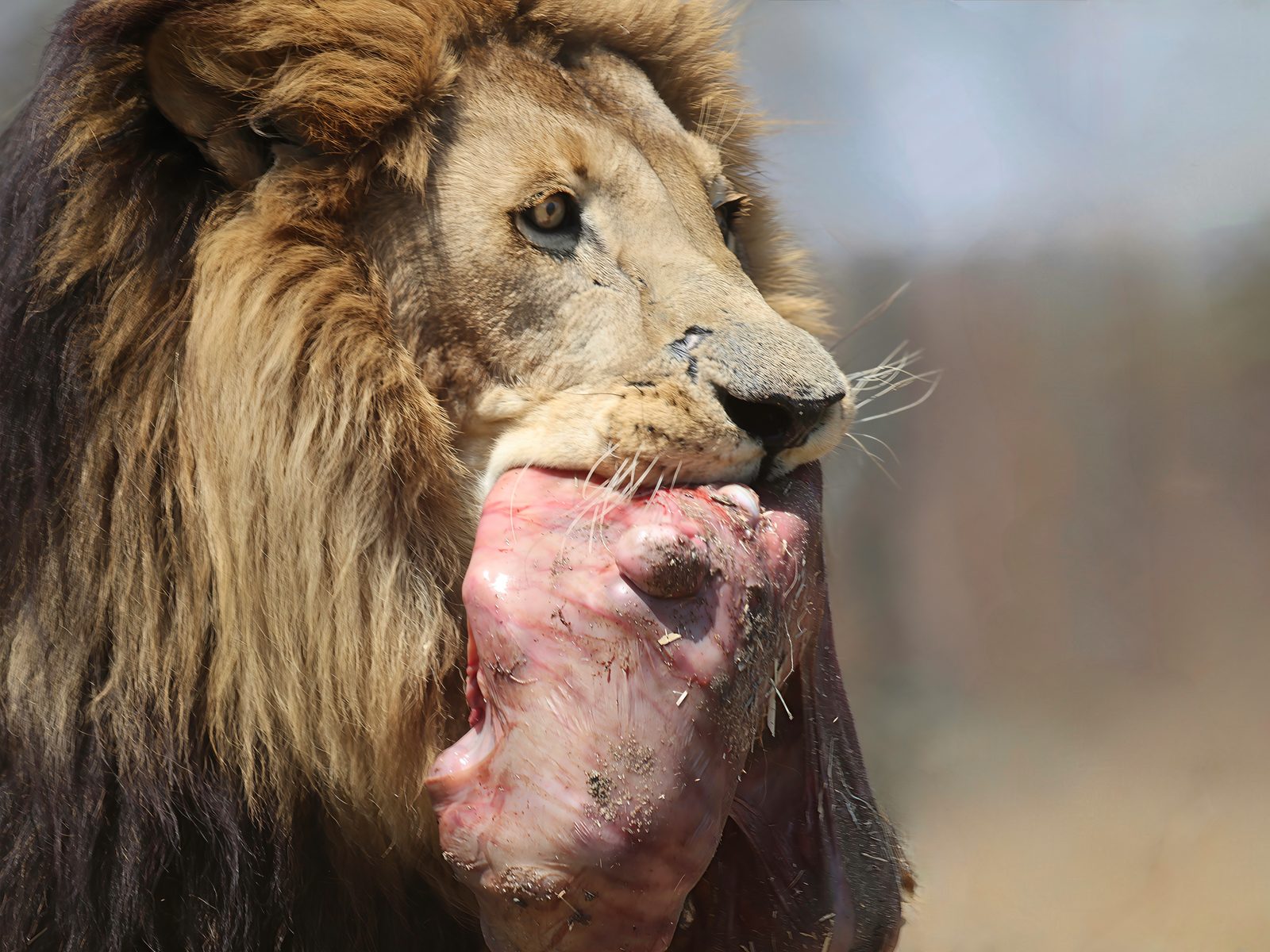
Tick spraying is done through the fence, and not every lion accepts it quietly. One pre-release male launched himself at the wire as the spray went in: a useful reminder that the animals at the centre of the programme are not pets, however much of their early life has been managed by people.
The park's founder, Andrew Conolly, is the clearest proof of that. Years ago he let his guard down with one of his lions; it mauled his arm so badly that it had to be amputated. Nobody working near the wire needs the lesson spelled out twice.
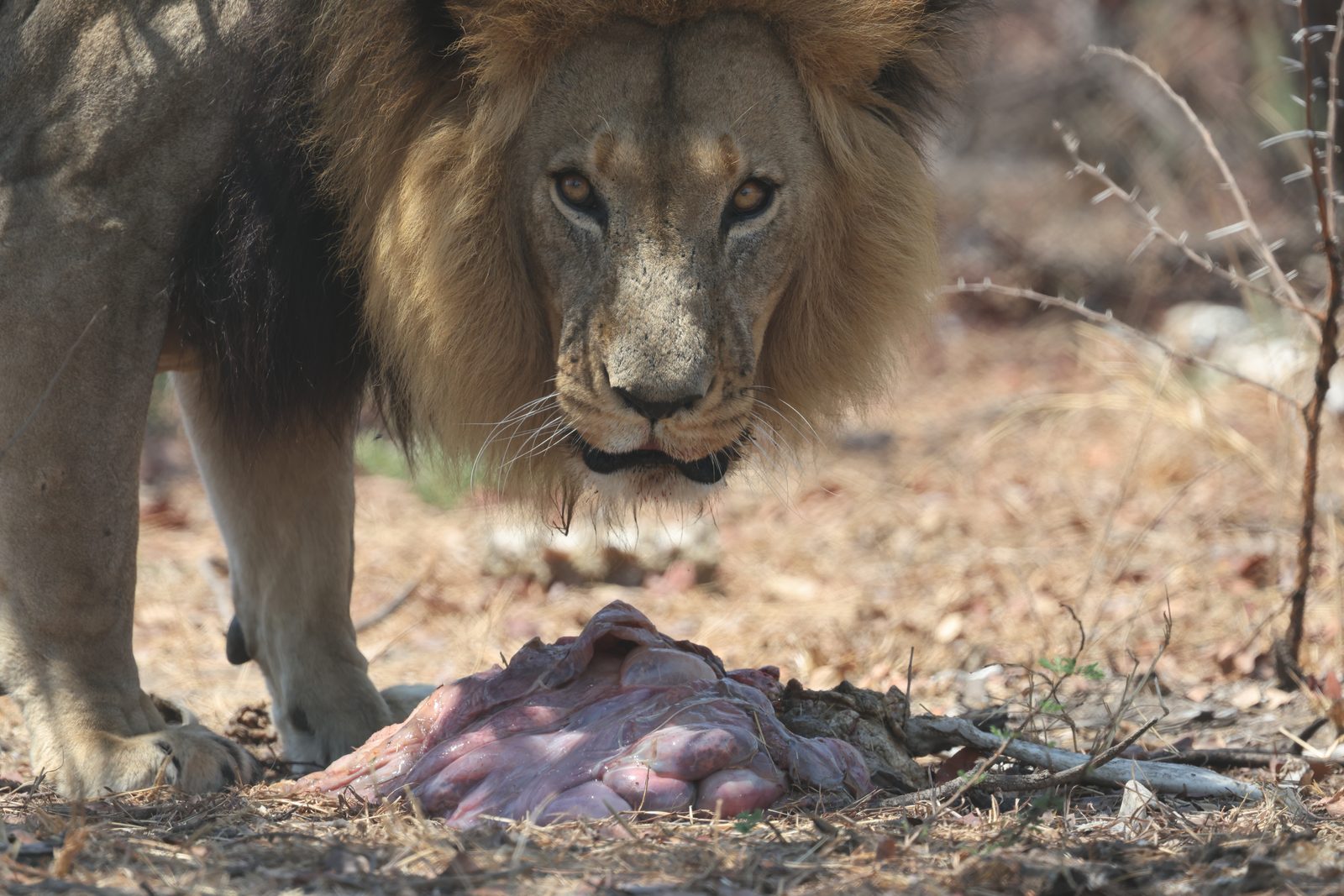
The lion programme runs in stages. Captive-bred lions begin in pre-release enclosures, fed by the volunteers, before moving on to a release pride that lives and hunts in a much larger managed area, where we monitored its movements and behaviour. The stated aim is that cubs born to release prides will eventually go into the wild. What I photographed were the stages before that, and the captions say which is which.
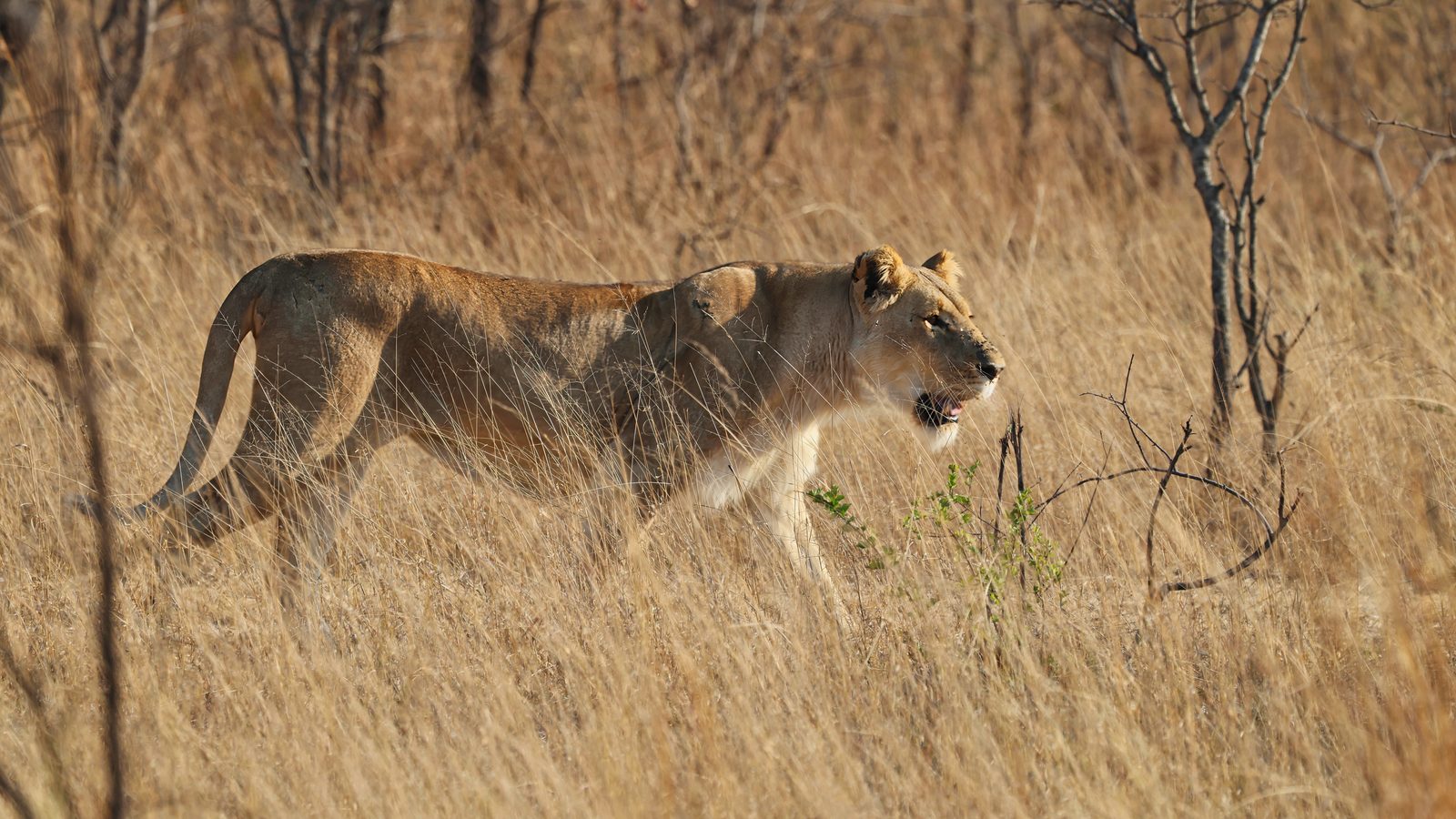
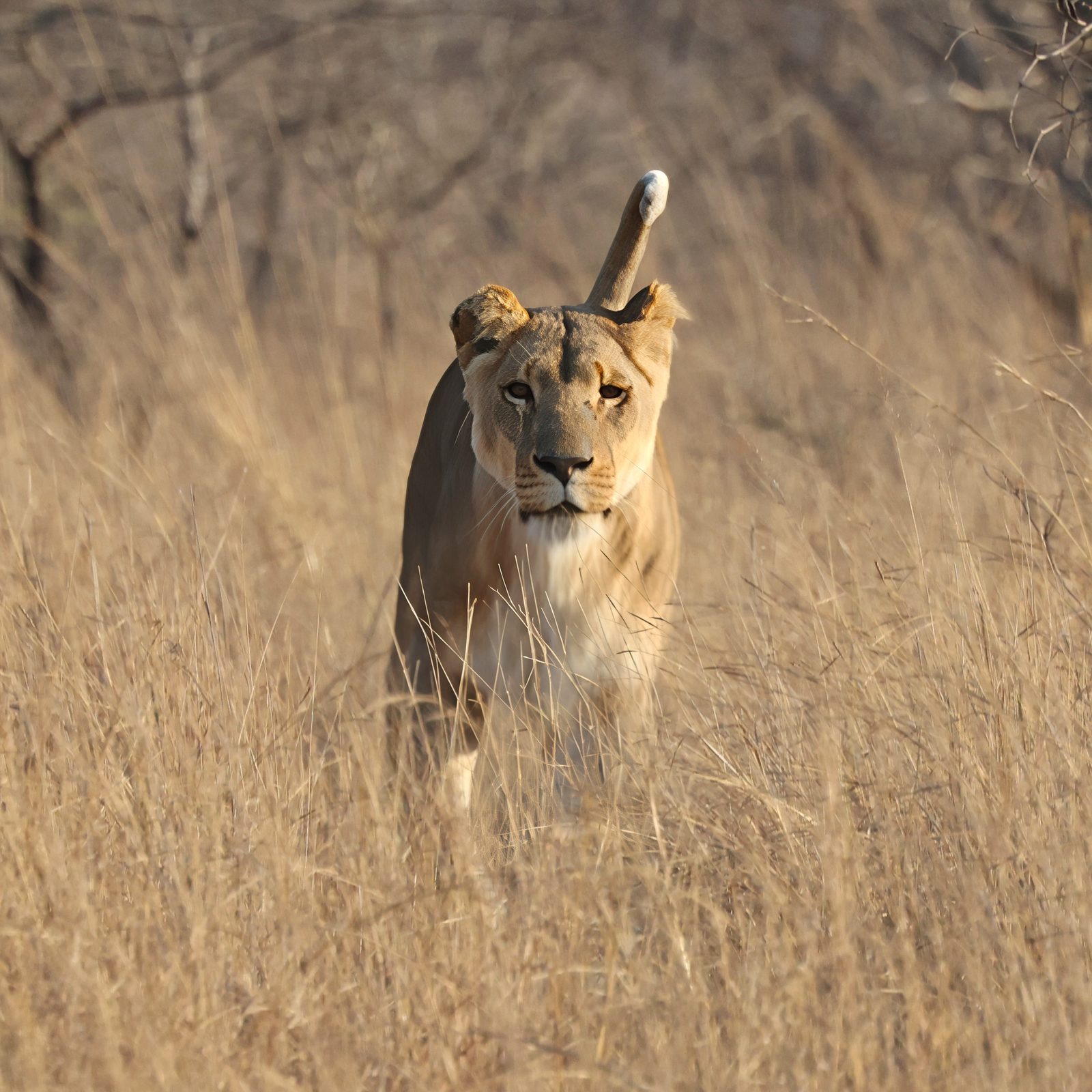
One morning two of the captive lions were let out to roam the reserve freely while we followed. Their hunting instincts were fully intact: at one point they dropped into a stalk, low and deliberate through the dry grass. The game saw them coming and nothing was taken, but watching captive-bred lions shift into hunt mode was the clearest sign I saw of what the programme is trying to keep alive.
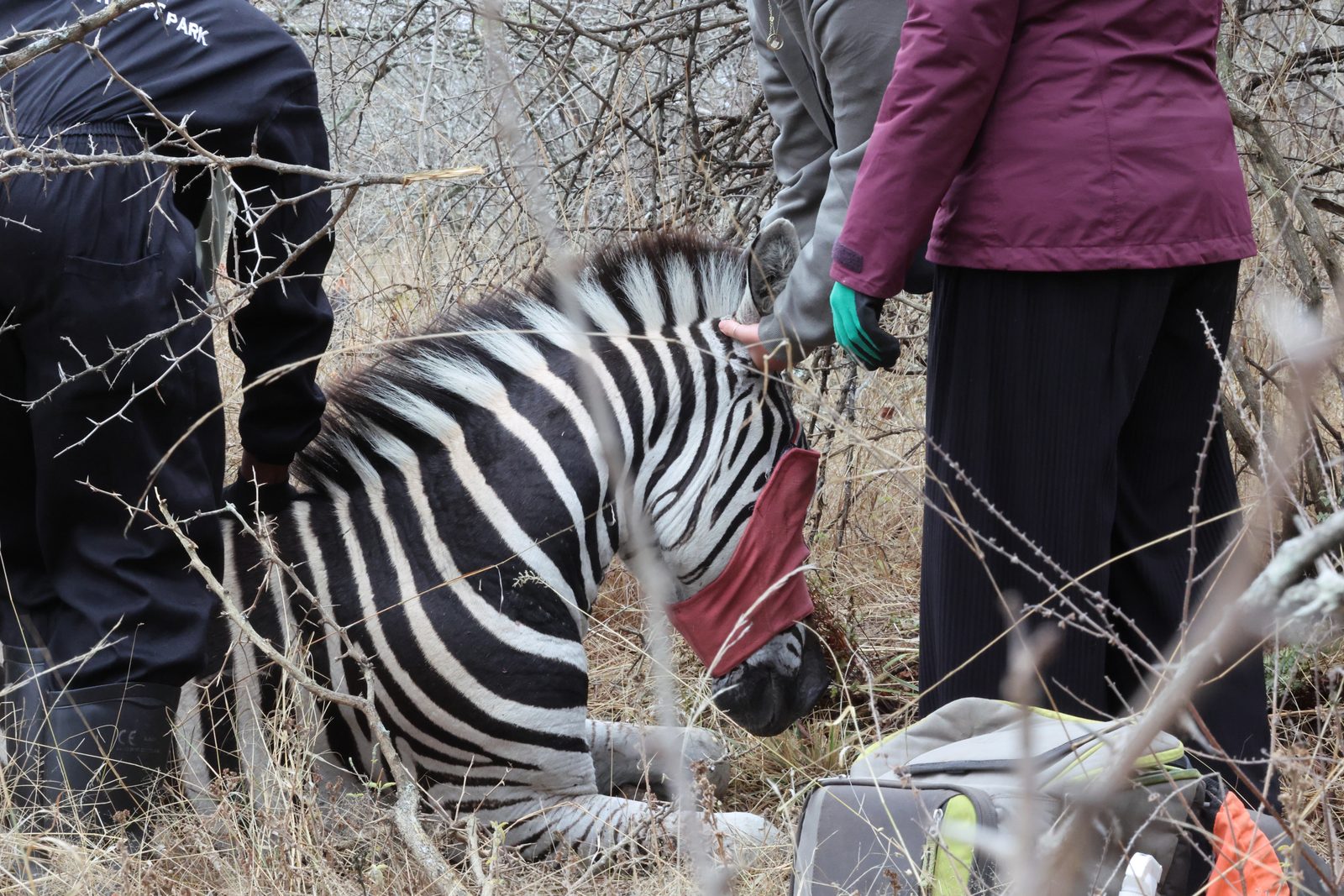
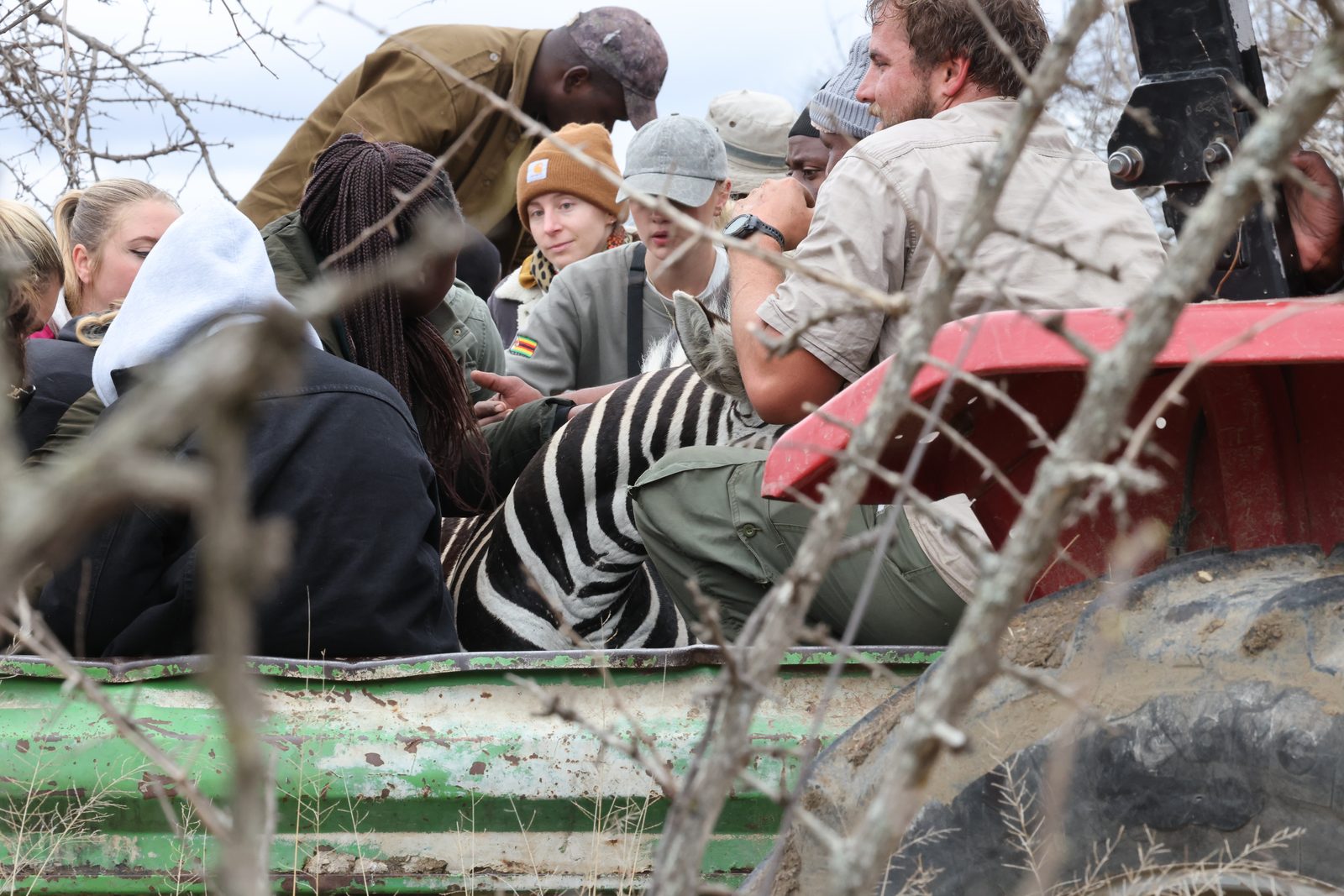
The most eventful morning had nothing to do with lions. A zebra had got out of the reserve, almost certainly through the unfenced river section; it was not the first time. Recapturing it took three darts. Once it was down, the team blindfolded it and lifted it by hand onto a flatbed truck, drove it back inside the reserve and woke it, and within minutes it had rejoined its herd.
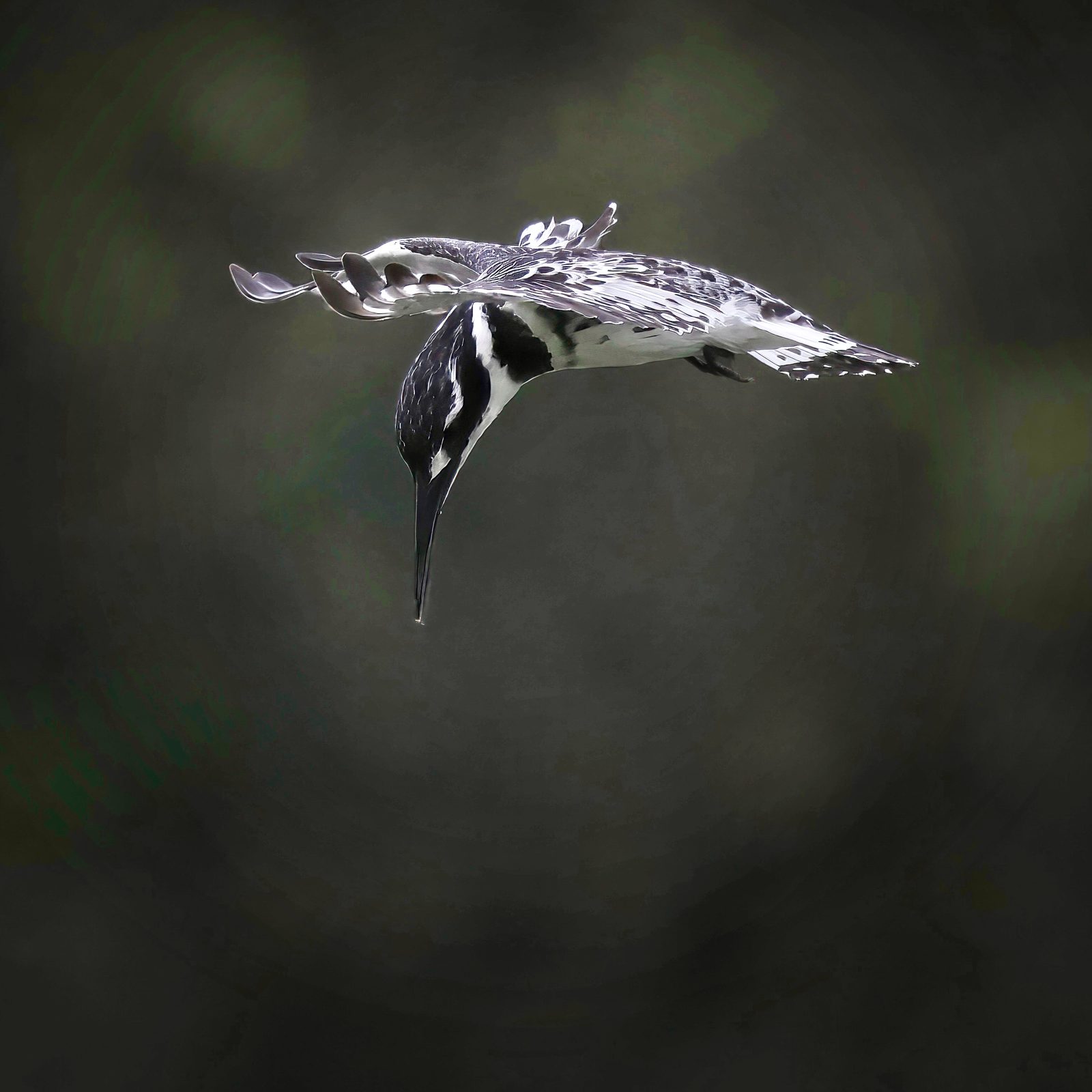
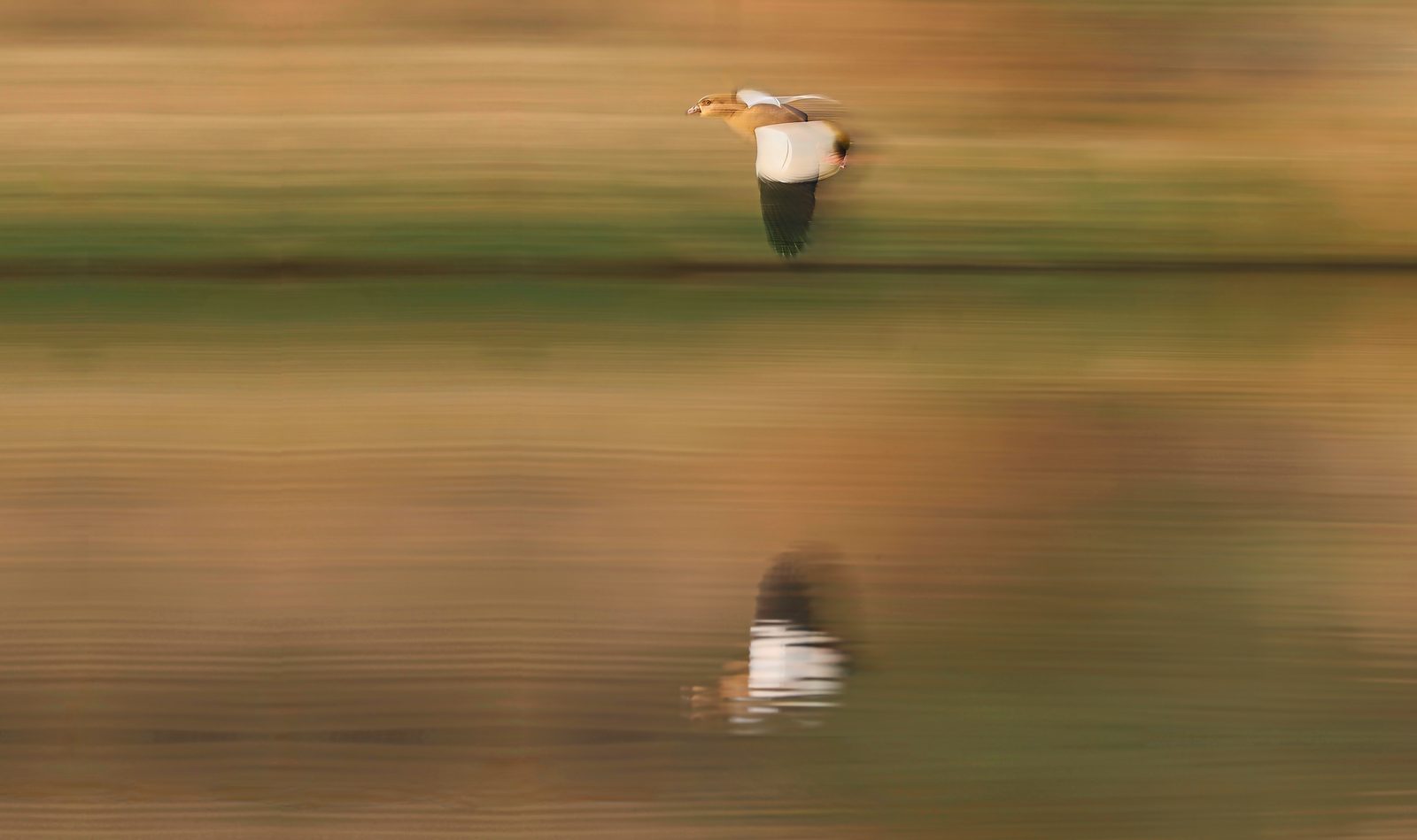
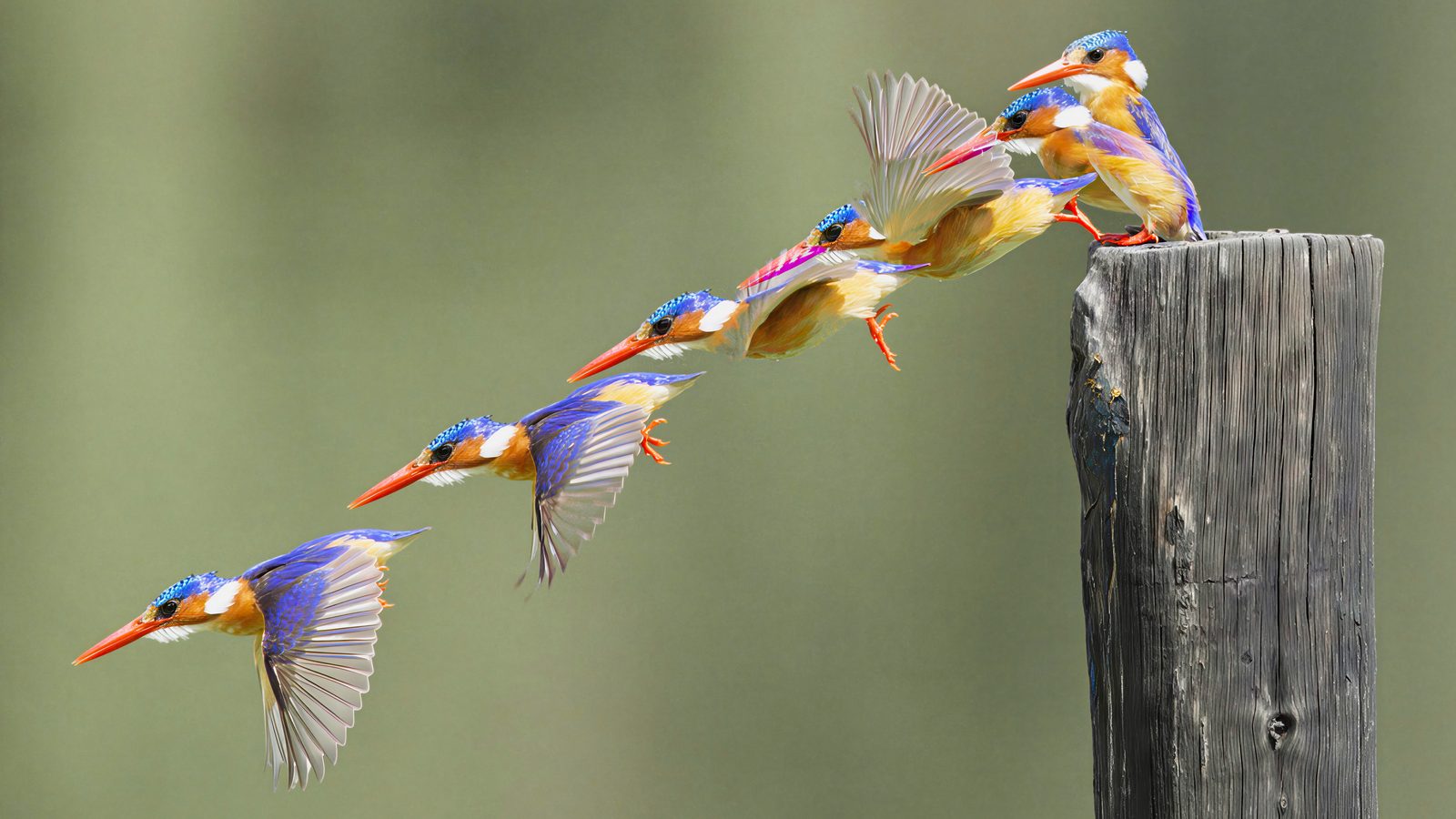
Between the set pieces, the birds became my training ground. The park's dams and woodland hold a huge range of species, large and small, and they reward technique rather than access. I used them for high-speed flight work, with a pied kingfisher hovering over the water, lilac-breasted rollers on take-off and an African fish eagle lifting from its perch. I also tried slower, more interpretive approaches: a long-exposure pan that turns a duck into a streak of colour across the water, and a composite that lays out a malachite kingfisher's dive frame by frame.
I came home with something the portfolio didn't have before. Most wildlife images are taken from above and at a distance, framed by a vehicle. These were taken at the animals' own level and close enough to see character: a placid cow and a short-tempered one, a rhino grazing towards the lens, captive-bred lions remembering how to hunt. That ground-level perspective is what I'll be building on.